

Many physicians do not feel equipped for being able to deal with the issue of readying themselves for a value-based, outcome focused world.
Many physicians do not feel equipped for being able to deal with the issue of readying themselves for a value-based, outcome focused world.


What cities pay primary care physicians the least?

Telehealth solves many challenges by enabling easy, convenient contact between patients and physicians

Readers react to recent articles.

Three steps to maximize return-on-investment and ensure pleasant patient experiences
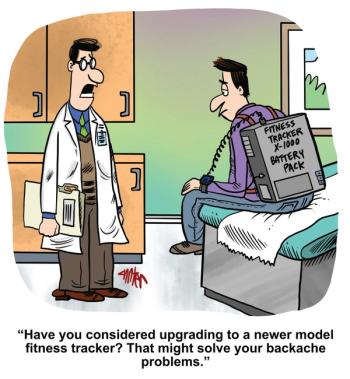
When is the right time to upgrade your fitness tracker?

There are ways to boost your practice's efficiency and profit to ensure your staff is not overwhelmed

Value-based care has created a conundrum: pretty much everyone in healthcare likes the idea of paying for outcomes, but no one is sure how to fairly implement it.

Smoking is no longer as severe a health crisis it once was, but it’s still one of the most serious health problems in the nation.

What sources should physicians turn to when they need money for their practice?

A breakdown of the latest data on health insurance coverage

For people who love cats but are allergic to them, relief may be on the horizon-and cats, rather than humans, would be the ones to be vaccinated.

Researchers are examining whether two adjuvants could help boost the power of flu vaccines.

Why physicians must have a role in transforming and selecting their EHRs

How portals help patients take ownership of their own health

Three reasons why physicians are uniquely qualified to lead all types of healthcare organization to success

Reimbursement can be tricky-here's what you need to know for the rest of the year.

Survey reveals significant gaps in overall knowledge of diabetes

More than 370 physician groups have come out in support of legislation they say would simplify and streamline some prior authorizations

How can hospitals optimize the administrative arm of the hospital in order to cut costs and improve cash flow?

How concierge medicine helped me provide better care to my patients

Many physicians are dealing with massive student loans from medical school, according to a poll of Medical Economics readers.

A look at some of the new ways to get patients more involved in their care

By using a telehealth platform, a South Carolina practice has enhanced patient communication and workflow

There are communication breakdowns happening throughout the entire continuum of care. Is technology the solution?

Medicine needs to learn from Amazon that privacy has a price

How to plan for long-term success, even when faced with massive school loans.

Sexually transmitted infections are on a dramatic upswing, according to the CDC, leaving physicians and health officials looking for solutions

Why physicians should be offering STI screenings on a regular basis to their patients, regardless of age.