


Careers
Latest News
Advertisement
Latest Videos


Shorts

0:36
Can AI return the joy to medicine?
5 months ago
by
Shannon Sims, M.D., Ph.D., FAMIA
0:37
How should physicians judge job applicants?
5 months ago
by
Jake Link
0:37
What is hiring like at your own practice? Apply for a job to find out
5 months ago
by
Jake Link
3:16
Meta, YouTube liable in social media addiction case; Match Day 2026; caffeine restores memory loss — Morning Medical Update Weekly Recap
5 months ago
by
Austin Littrell
1:34
What actually kills business deals?
5 months ago
by
John Pack
0:50
How to tackle staff burnout
5 months ago
by
Peter Reilly
0:54
3 Steps before expanding your practice
5 months ago
by
John Pack
2:53
PAs could practice without physician oversight; $32M Medicaid fraud; AI diagnostics threaten patient safety — Morning Medical Update Weekly Recap
6 months ago
by
Austin Littrell

0:36
PAs still want AI training
6 months ago
by
Kelly Villella-Canton
0:34
What if osteopathic medicine disappeared from U.S. health care?
6 months ago
by
Robert A. Cain, DO, FACOI, FAODME
Podcasts









Advertisement
More News

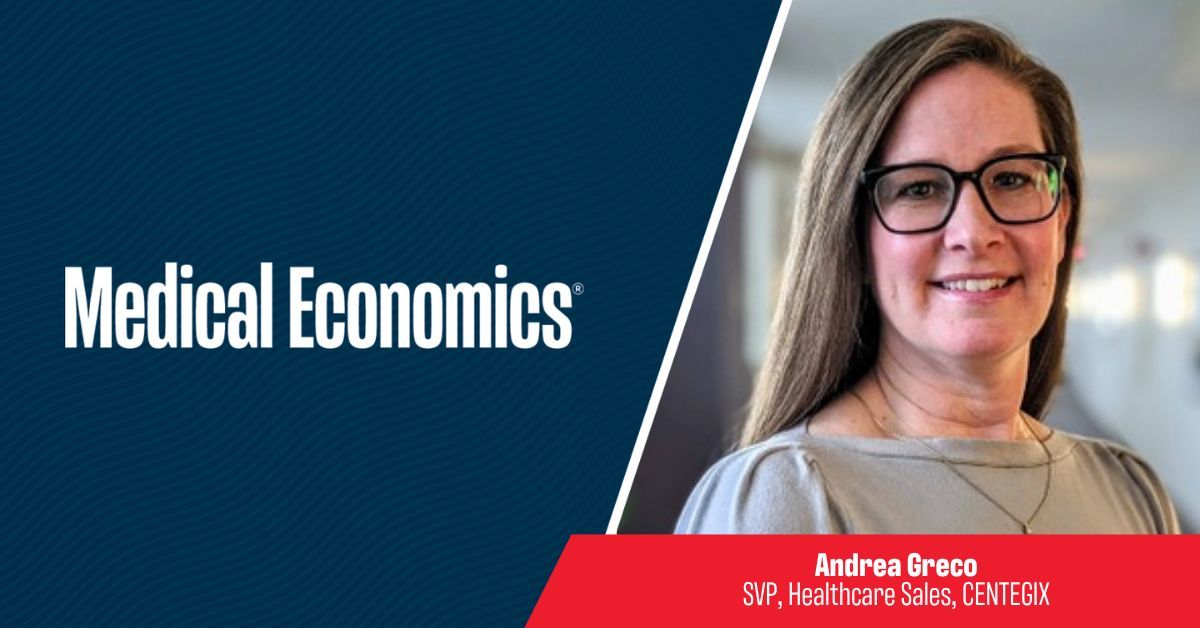
Andrea Greco explains why duress alerts now spike across the full week — and what that means for how practices plan for safety.

Shannon Sims, M.D., Ph.D., and Matthew Bates, M.P.H., join the show to break down what Vizient’s 2026 State of the Industry report means for physician access, team models and financial sustainability.

Facing workforce shortages, financial strain and shifting patient expectations, hospitals will need to rethink their physical footprint, partnerships and care delivery models to remain viable in the decades ahead.
Andrea Greco, senior vice president of healthcare sales at CENTEGIX, explains why workplace violence is now a strategic risk for practices, and why “hoping it gets better” is no longer an option.

MedPro’s Rosemarie Aznavorian, D.N.P., RN, explains how thin staffing, financial pressure and longer waits are nudging patients toward generative AI — and what that means for primary care.
Psychiatrist and staffing leader Rihan Javid, D.O., J.D., breaks down how wage hikes, turnover and remote staffing are reshaping medical practices in 2026.

As consolidation and prices climb, Pacific Research Institute brief says new limits on MSOs could tilt the market further toward hospitals.

Take this quick and easy survey about noncompete clauses in physician work contracts.
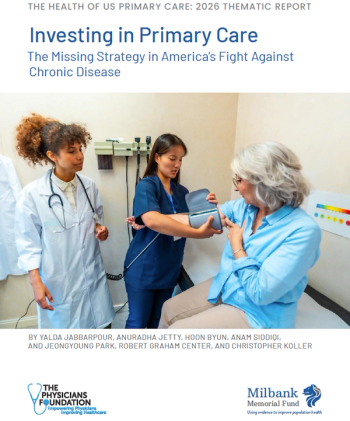
Milbank Memorial Fund, Physicians Foundation, Robert Graham Center collaborate on analysis.

Position paper affirms the importance of proper terminology for doctors and others who guide patient health care.

Physicians increasingly avoid ownership due to debt, burnout and admin burdens, forcing small practices to boost transferability and processes to protect valuations.

Workplace violence is a business risk: CENTEGIX’s Andrea Greco on safety and staffing in health care
CENTEGIX's health care safety trends report tracks when and where duress alerts spike — and why leaders who ignore workplace violence can’t afford to.

When physicians commit to curiosity and presence, understanding becomes the foundation of treatment.

Physicians should learn to set boundaries to combat burnout and ensure quality care amid ongoing workforce shortages, fostering a healthier health care environment.

Because medical schools, hospitals, and other health care facilities don’t view leadership as a core competency for physicians and don’t train to that competency, costs are felt throughout the health care system

Untangling visa programs health care employers use

Melissa Lucarelli, M.D., FAAFP, talks with Ronald M. Epstein, M.D., FAAHPM, about how mindfulness, presence and communication shape patient care, physician well-being and medical culture.

A conversation with Greg Grant, COO, Specialdocs Consultants.

A conversation with the leader of the American Association of Colleges of Osteopathic Medicine.

Physicians want artificial intelligence to buy back time, not squeeze in more volume.
A conversation with the leader of the American Association of Colleges of Osteopathic Medicine.
Psychiatrist and Edge co-founder, Rihan Javid, D.O., J.D., explains how rising wages, turnover and labor competition are reshaping physician practices — and why flexibility is becoming essential.

Noncompete opponents seeking nationwide regulation should take their arguments to Congress, FTC chief says.
Acknowledgment, clarity and smart trade-offs matter more than quick fixes.
A conversation with the leader of the American Association of Colleges of Osteopathic Medicine.
Advertisement
Advertisement
Trending on Medical Economics
1
Physicians have 5 responsibilities that AI will not replace: AMA
2
What physicians can actually do about a fake or defamatory online review
3
Kennedy asks the public to weigh in on the AMA's control of codes by Sept. 14
4
AAFP issues fall vaccine recommendations amid competing guidance
5