

U.S. Women’s Health Alliance pitches policy solution that would enhance patient choice by sustaining independent practice.
U.S. Women’s Health Alliance pitches policy solution that would enhance patient choice by sustaining independent practice.

Interoperability has been promised for years, but progress has been slow. Are we finally at a point where doctors can actually access the information they need to treat patients?

PYA's Tynan Kugler, M.P.H., MBA, CVA, says supply shortages, employment shifts, reimbursement pressure and the productivity-versus-value debate are all pulling at once.

Should you handle your own retirement planning or leave it to the professionals?

Patients are frustrated with medical practices and are demanding better service.
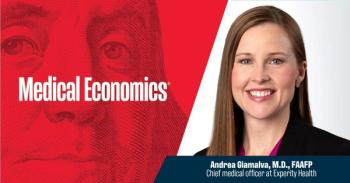
Experity's Andrea Giamalva, M.D., FAAFP, says urgent care was never designed to replace primary care, but with a looming physician shortage and nearly 40% of Gen Z without a PCP, it's filling gaps the system hasn't figured out how to close.
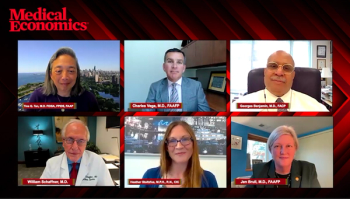
In April 2025, Medical Economics convened an expert panel to discuss the crisis in vaccination driven by federal policy and social media misinformation.

Legal scholar Sara Gerke explains how artificial intelligence is transforming malpractice law — and what physicians can do now to navigate the next era of clinical liability.

How will artificial intelligence reshape the rules of medical malpractice? Northeastern University’s David Simon unpacks the legal, ethical and practical dilemmas now confronting physicians, hospitals and AI developers.

At the MGMA Leaders Conference 2025, Helen Falkner of Jackson Physician Search breaks down new research showing how early-career physician loyalty begins long before day one, and why authentic relationships are medicine’s most overlooked retention strategy.

Why advocates say health care needs a nuanced view of private equity partnerships in medicine.

With denials cutting deeper into practice revenue, physicians are turning to AI-driven tools to catch errors before submission, automate appeals and reduce administrative burnout.

HHS Office of Inspector General is tracking the huge increase in spending, with a call to action for possible payment reform.

At the MGMA Leaders Conference 2025, Jason Jobes of Norwood shares a practical blueprint for helping physician practices transition to value-based care.

A video summary of troubling findings of a Physicians Foundation survey.

Deepika Srivastava of The Doctors Company breaks down how AI is transforming medical malpractice — from shifting standards of care to new liability risks — and what physicians must do now to stay protected.

Why physicians still face barriers to receiving mental health care and what’s being done to change it
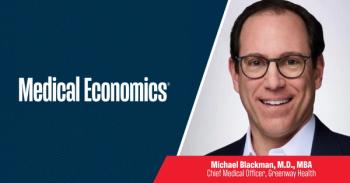
At the MGMA Leaders Conference 2025 in Orlando, Michael Blackman, M.D., MBA, chief medical officer of Greenway Health, sat down with Medical Economics to separate AI fact from fiction.

A policy expert from the American Telemedicine Association offers his summary of what’s happening in Washington, D.C.

At the MGMA Leaders Conference in Orlando, Edge co-founder Rihan Javid, D.O., J.D., warned that chronic administrative shortages are straining practices, worsening prior authorization delays and fueling burnout among physicians and staff.

Physicians offer their insights on the state of mental health care for the health care workforce.

For physicians, marketing is no longer optional, it is essential

With support from the California Medical Association, MedWay can handle, administrative and business paperwork.

Two physician experts discuss their evaluation of mental health care for the leaders of health care teams across the United States.

Leaders of the Milbank Memorial Fund, Robert Graham Canter and Primary Care Collaborative discuss a key part of the U.S. health care system.
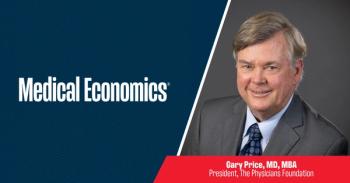
The president of The Physicians Foundation discusses findings of a new poll about medical misinformation, disinformation and the effects on patient care.

Why there is a growing movement for doctors to address factors affecting patient health outside the physician’s office.

Examples of successes in other sectors come to light through ‘precedents thinking.’

What physicians need to know about AI governance, safety, and responsible use in patient care.

Potential changes for remote physiologic monitoring and remote therapeutic monitoring in the 2026 Medicare Physician Fee Schedule.