





AI
Latest News
Advertisement
Latest Videos

Shorts
1:33
High touch and high tech: The future of osteopathic medicine with AI technology
19 days ago
by
Robert A. Cain, DO, FACOI, FAODME

0:41
Claim denials: Lack of staff or bad tech to blame?
2 months ago
by
Clarissa Riggins
0:31
How AI can prevent claims errors
2 months ago
by
Clarissa Riggins

0:47
How AI can boost staff ownership and retention in independent practice
3 months ago
by
Andrew Swanson, M.P.A., FACMPE
0:14
How to get started using AI to boost your practice
3 months ago
by
Clarissa Riggins

0:57
The #1 problem practices must fix to reduce denials
3 months ago
by
Clarissa Riggins
0:26
How AI can help with claims denials
3 months ago
by
Clarissa Riggins

0:30
The biggest unresolved question: Who is liable in AI malpractice?
3 months ago
by
Deepika Srivastava
0:48
Will the OBBB Act change claim denials?
3 months ago
by
Clarissa Riggins

0:48
Why AI could be great for patient autonomy
3 months ago
by
Jeffrey A. Singer, MD
Podcasts

CME Content

Advertisement
More News

What you need to know about the biggest trends that will impact health care in 2026

What can a small practice do to stand out? Practice marketing experts interviewed by Medical Economics pointed to practical strategies that physicians can incorporate to rise above the crowd.

By strengthening that foundation first, emerging technologies can operate safely and consistently, delivering meaningful benefits to practices and patients.

The state makes history, partnering with the health-tech startup Doctronic to refill chronic medications under Utah’s AI sandbox .
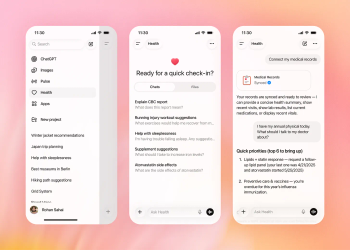
The new health-focused tab in ChatGPT lets users sync lab results, records and data from wellness apps for tailored answers.

New data show patients are using the chatbot to decode bills, compare insurance and fill access gaps, especially in hospital deserts and after clinic hours.

Wearables, artificial intelligence and workplace care models push medicine further from the clinic and deeper into daily life, group says.

Most Americans remain cautious about AI diagnosing them on its own, but views improve when the tech assists clinicians.

Physicians report rising comfort with artificial intelligence as a chart reviewer and clinical assistant, but data gaps persist.

The most popular stories of the year ranged from AI to MOC.
Researchers raise concerns that the rapid uptake of AI-powered scribes may be outrunning proper oversight

In 2026, the measure of trust will be how clearly a system can explain itself

AI-powered fax solutions improve referral management, enhancing efficiency and patient care while reducing administrative burdens in health care organizations.

The future of health care AI will not be defined by the power of the algorithms, but by the confidence that patients, providers, and payers place in them.

Does it matter what technology tools a health care employer has?
Half of practices now use at least one AI tool; documentation and fax automation deliver the largest reported time savings, with patient communication emerging as the next major target.

A new survey shows physicians are cautiously optimistic about AI’s potential, but still wary of bias, safety and patient trust.

Explore essential strategies for AI compliance in medical practices, ensuring patient safety, privacy, and trust while navigating new regulations and technologies.

When life sciences, insurers and clinicians align around timely, trusted data, health care can finally deliver more coordinated, cost-effective, patient-centered care.

What doctors think about AI solutions for RCM

Results from the Relias 2025 Technology in Healthcare Report.

Clinicians relying on AI-powered decision-making were considered less skilled and less competent by their peers than those who did not use AI.

Is it possible to reverse the tide and unlock significant productivity gains? Here’s what health care organizations should know
A new survey from Smarter Technologies and MedCity News shows hospitals and practices waiting months for payment, battling costly billing software and turning to AI for relief.
Bain & Company finds hospitals accelerating investment in primary care and value-based care, even as labor shortages and patient skepticism over AI threaten progress.
Advertisement
Advertisement
Trending on Medical Economics
1
‘Ghost’ physicians in Medicaid: Nearly 1 in 3 see no Medicaid patients
2
What medical practices need to know about the private equity resurgence
3
Investing in the nuclear power renaissance
4
Improved physician leadership: A key to better health care
5